
Leverage lets you control a large position with a small amount of capital. Leverage of 1:100 means that with USD 100 you can open a position worth USD 10,000.
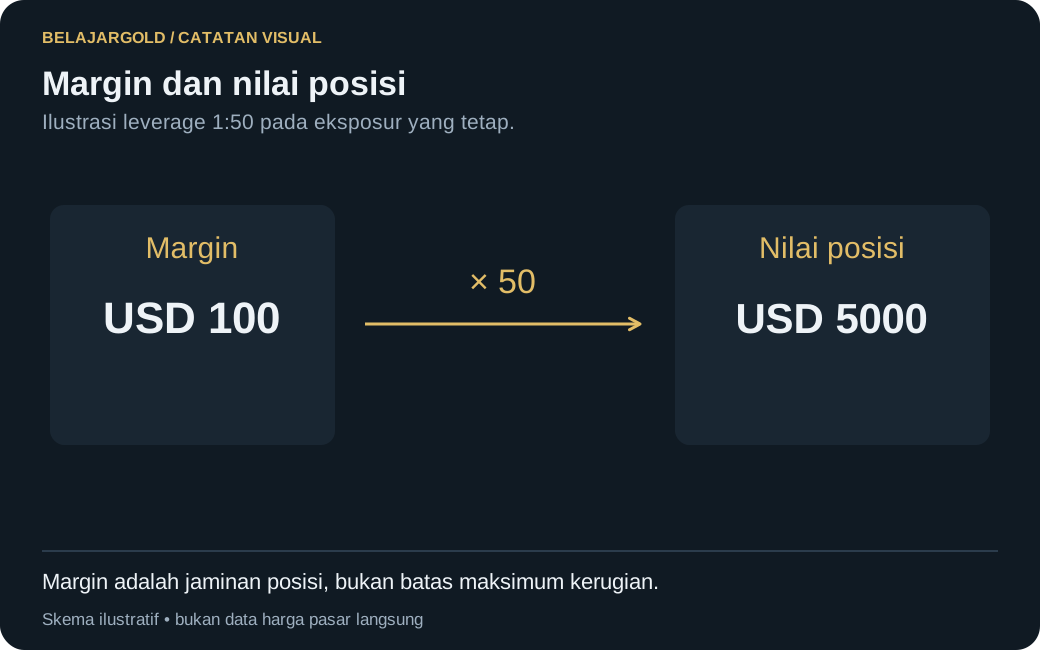
Margin is the collateral the broker "locks" while a position is open. With 1:100 leverage, opening a USD 10,000 position locks USD 100 of margin.
The dangerous side
Leverage magnifies profits and losses in the same proportion. What blows up accounts is not the leverage itself, but a position size that is too large relative to your capital.
Margin call & stop out
- Margin level = (equity ÷ used margin) × 100%.
- If it falls to a certain threshold, the broker issues a margin call (a warning), followed by a stop out (forcibly closing the most losing positions).
Key points
- Leverage is not "free capital" — it is a loan with the full risk on your side.
- Control risk through lot size and stop losses, not through hope.
Risk disclaimer: all content on this site is provided for educational purposes and is not financial advice, signals, an invitation to trade, or a promise of profit. Trading carries a high risk and may result in the loss of part or all of your capital. Check the legality of service providers in your jurisdiction.